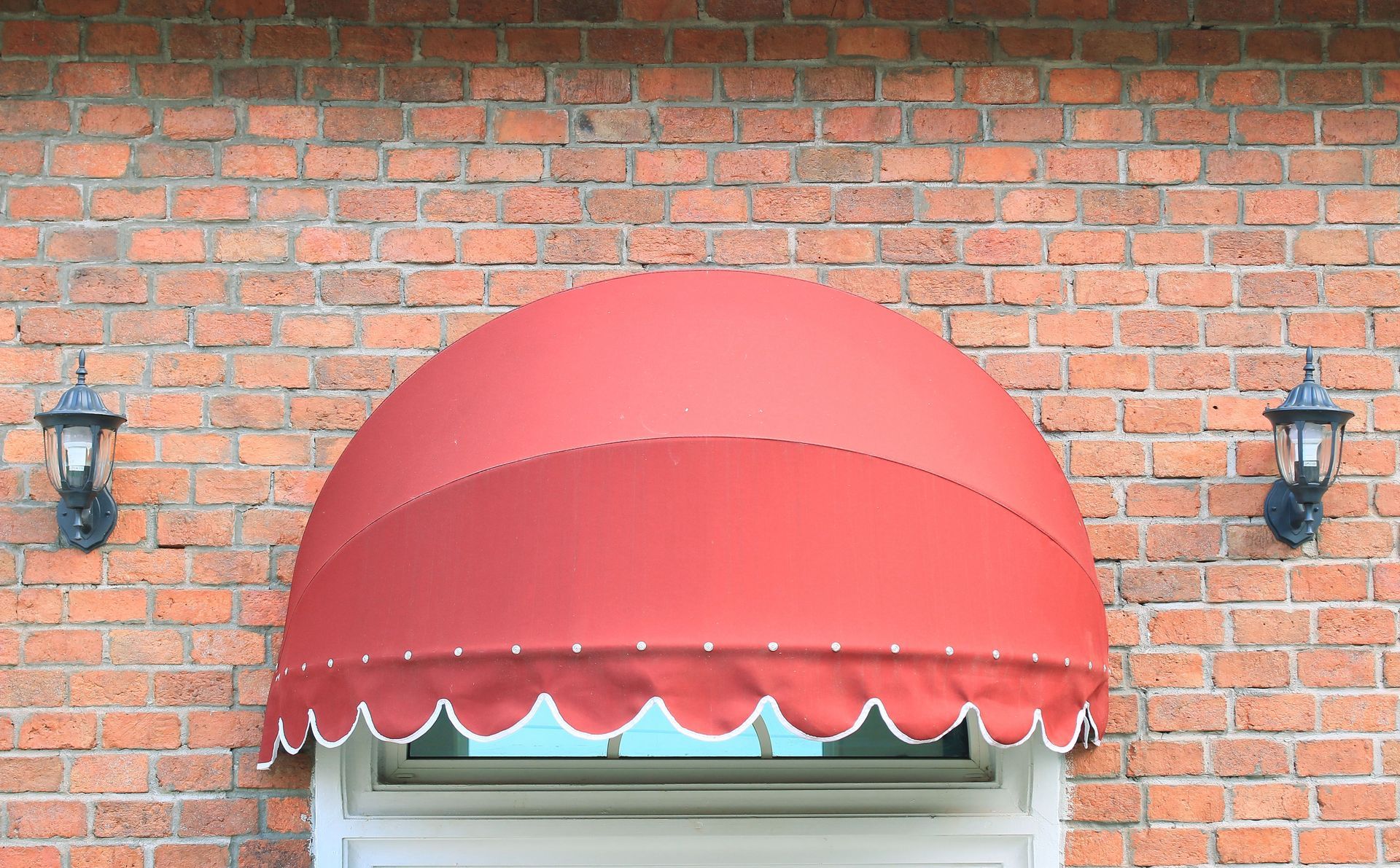
Why Retractable Awnings are the Fastest-Growing Outdoor Segment
July 14, 2026

July 14, 2026

Outdoor living spaces have become more important as homeowners look for comfort, shade, and flexible areas for relaxing, dining, and entertaining. Among the most popular upgrades, retractable awnings offer a practical way to make patios, decks, and porches more usable throughout the day. Their appeal comes from combining shade control, visual style, and convenience in one outdoor feature. As more families invest in improving their exterior spaces, versatile shade systems have become an essential part of creating enjoyable outdoor environments throughout the year.


1. Growing Interest in Outdoor Living Spaces

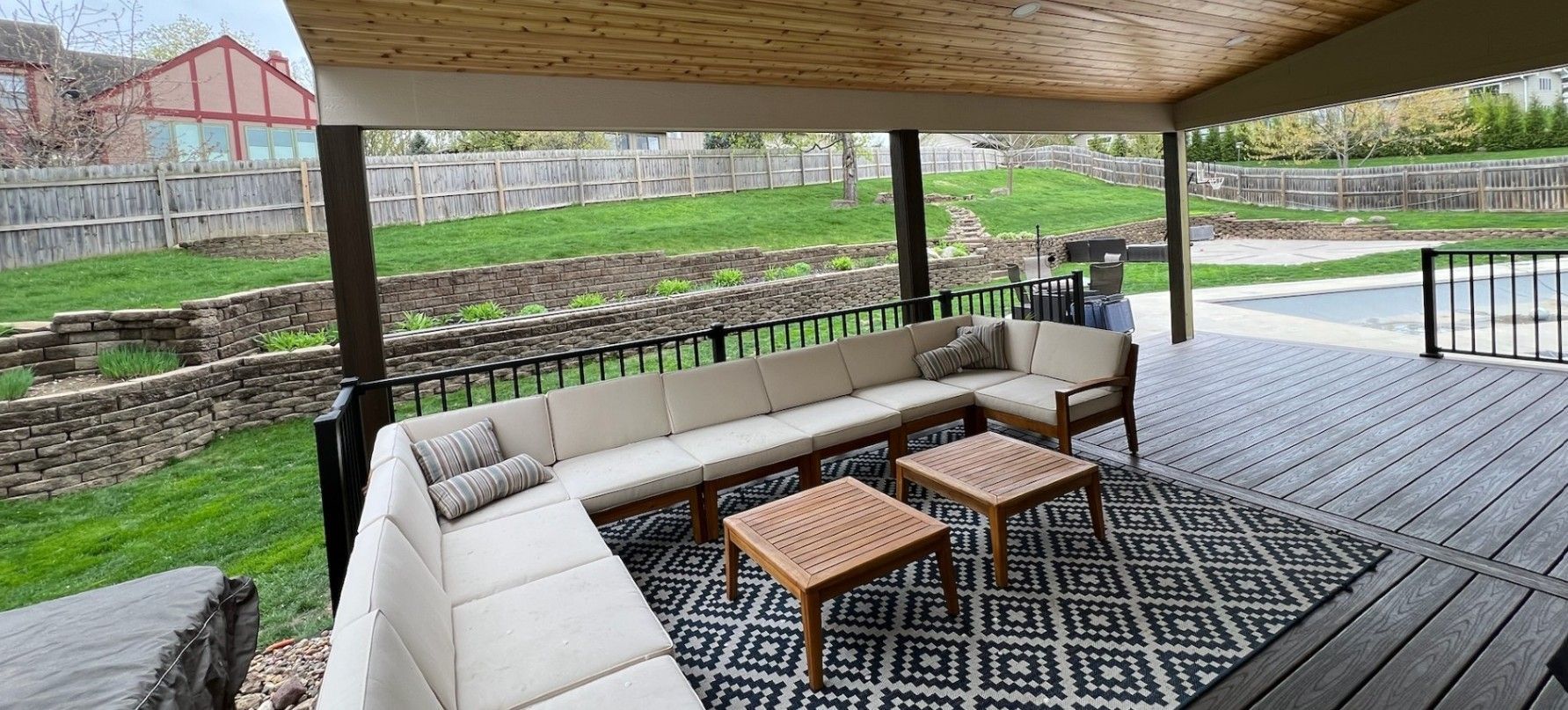
Many homeowners now view outdoor areas as extensions of the home rather than occasional-use spaces. Patios and decks are being designed for meals, remote work, family gatherings, and quiet relaxation. Retractable awnings support this shift by helping create cooler, more comfortable areas without requiring permanent roof structures.


This added comfort can also improve how often a space is used. A backyard that once felt too hot during the afternoon can become a shaded retreat. As outdoor living continues to influence home design, shade solutions are becoming a more valuable part of renovation planning. Homeowners are also adding outdoor kitchens, fire features, and comfortable seating, making reliable shade even more important for everyday enjoyment.


2. Improving Home Value and Curb Appeal

Homeowners often choose upgrades that improve both daily comfort and long-term property appeal. Retractable awnings can enhance the appearance of a home while making outdoor areas more functional. Their colors, fabrics, and frame styles can be matched to the home’s exterior for a polished look.


For buyers, a comfortable outdoor area can feel like added living space. A shaded patio or deck may make the property feel more complete, especially in regions with warm weather or strong sunlight. This makes awnings attractive to homeowners who want both beauty and practical value. Attractive outdoor spaces can also leave a lasting impression during home showings, helping properties stand out in competitive real estate markets.


3. Offering Versatility and Customization

One reason retractable awnings continue to gain attention is their flexibility. Homeowners can extend them when shade is needed and retract them when they want more sunlight. This control makes them useful across different seasons and times of day.


Customization also adds to their appeal. Fabric patterns, colors, sizes, and operating systems can be selected to fit different design goals. Whether the home has a modern, traditional, coastal, or rustic look, awnings can be tailored to blend naturally with the space. Optional accessories such as integrated lighting and protective valances provide even more opportunities to personalize the outdoor experience.


4. Supporting Energy Efficiency

Shade can help reduce heat buildup near windows, doors, and outdoor seating areas. By blocking direct sunlight, retractable awnings may help keep adjacent indoor spaces cooler during hot months. This can reduce reliance on air conditioning and support lower energy use over time.


Energy efficiency is especially important for homeowners who want practical upgrades with environmental benefits. Instead of depending only on mechanical cooling, shade features help manage heat naturally. This makes awnings a useful addition to broader home efficiency strategies. Lower indoor temperatures can also create a more comfortable living environment while reducing strain on HVAC equipment during peak summer months.


5. Advancing With Smart Technology

Technology has made awnings easier and more convenient to use. Motorized systems allow homeowners to extend or retract shade with a remote, wall switch, smartphone app, or voice assistant. These features make retractable awnings especially appealing for users who want comfort without manual operation.


Some newer systems include wind, sun, or rain sensors that adjust the awning automatically. These features help protect the awning from sudden weather changes while improving everyday comfort. Smart controls also fit well with the growing popularity of connected home systems. Scheduled operating times and automation settings further simplify daily use while maximizing shade when it is needed most.


6. Improving Durability and Weather Resistance

Modern awnings are built with stronger fabrics, improved frames, and coatings designed to resist sun exposure, moisture, and wear. These improvements help extend product life and reduce maintenance concerns. Homeowners are more likely to invest when they feel confident the product will perform over time.


Weather-resistant materials also support year-round usability. While awnings should still be used according to manufacturer guidelines, durable construction helps them stand up to everyday outdoor conditions. This reliability has helped strengthen consumer trust in the category. Routine cleaning and occasional inspections can further preserve appearance and performance for many years.


7. Meeting Changing Consumer Preferences

Different generations are drawn to outdoor upgrades for different reasons. Younger homeowners often value personalization, sustainability, and stylish spaces for entertaining. Older homeowners may prioritize comfort, convenience, and shaded areas that make outdoor relaxation easier.


Awnings meet many of these needs because they are adaptable, attractive, and easy to use. They can support quiet mornings, family meals, weekend gatherings, or shaded work areas. This broad appeal helps explain why the market continues to expand across many homeowner groups. Their ability to accommodate changing lifestyles makes them a practical investment for households at every stage of life.


8. Expanding Commercial Applications

Awnings are also gaining popularity in commercial spaces such as restaurants, cafes, retail storefronts, hotels, and recreation areas. Businesses use shade to improve customer comfort, define outdoor seating areas, and create a more inviting exterior. Retractable awnings are especially useful because they allow businesses to adjust coverage based on weather and customer needs.


For hospitality and retail settings, appearance matters as much as function. A well-designed awning can reinforce brand style while making outdoor areas more usable. According to Allied Market Research, retractable awnings remain the fastest-growing segment at a CAGR of about 6–7% and are favored in the commercial deployment for adaptability. This continued growth has created new opportunities for manufacturers, installers, and property owners. Seasonal flexibility also allows businesses to maximize outdoor seating without committing to permanent covered structures.


9. Encouraging Sustainable Outdoor Design

Sustainability remains a major influence in home improvement decisions. Many homeowners want upgrades that reduce energy use, last longer, and support more responsible material choices. Awnings fit this trend by offering shade that can reduce heat exposure and improve outdoor comfort naturally.


Some manufacturers are also exploring recycled fabrics, longer-lasting coatings, and cleaner production methods. These improvements help position awnings as part of eco-conscious outdoor design. As consumers become more informed, sustainability will likely remain a key selling point. Choosing durable materials also reduces replacement frequency, helping minimize waste over the long term.


10. Looking Ahead at Market Growth

The future of awnings will likely include more automation, stronger materials, and expanded design options. Solar integration, AI-assisted controls, and improved weather sensors may further increase their usefulness. These innovations could make awnings even more attractive to homeowners seeking comfort, efficiency, and convenience.


Market growth is also supported by rising interest in outdoor living across residential and commercial spaces. As patios, decks, and open-air seating areas become more important, shade solutions will remain in demand. Awnings are well positioned to support this growth because they combine practical performance with modern style. Continued product innovation and consumer awareness are expected to encourage even wider adoption in the years ahead.


The rising popularity of retractable awnings reflects the growing demand for outdoor spaces that are comfortable, attractive, and flexible. Homeowners value their ability to provide shade, support energy efficiency, and improve the usability of patios and decks. With continued advances in materials, smart technology, and sustainable design, these awnings are likely to remain a strong choice for modern outdoor living. Contact our team at Central Iowa Solutions today and learn more about our awning services.

By 7066294550 August 25, 2026
A Saturday afternoon, some friends, and a backyard deck sound perfect. But before you start hammering nails, there's one important question every homeowner should ask: Do I need a deck permit? The short answer is yes, almost certainly. While permits may seem like a hassle, they're designed to ensure your deck is safe, structurally sound, and built to withstand Iowa's climate. After working with homeowners throughout the Des Moines metro, we've seen firsthand how proper permitting helps prevent costly mistakes and code violations. Here's everything you need to know about deck permits in Des Moines. Do You Actually Need a Deck Permit in Des Moines? According to local building requirements, you'll generally need a permit if your deck is: Larger than 30 square feet More than 12 inches above grade Attached directly to your home with a ledger board In reality, most residential decks require a permit. Permits help ensure: Footings extend below Iowa's 42-inch frost line Ledger boards are properly attached and flashed Guardrails meet code requirements Structural framing supports expected loads Electrical work is installed safely Skipping a permit may result in: City citations and fines Costly corrections or reconstruction Insurance complications Issues when selling your home Liability concerns if someone is injured Considering permit costs typically range from $300 to $500 , obtaining one is a smart investment. The Deck Permit Process in Des Moines Step 1: Site Assessment and Planning Before submitting an application, evaluate: Deck size and layout Elevation and grading changes Connection points to the home Soil conditions Underground utilities Proper planning at this stage can prevent delays later. Step 2: Create Detailed Construction Plans Your permit application will typically require plans showing: Overall dimensions Footing locations and depth Ledger attachment details Joist sizing and spacing Guardrail specifications Stair and handrail details Material selections Many DIY applications get delayed because important details are missing. Working with an experienced contractor often speeds up the approval process. Step 3: Submit Your Permit Application Applications can be submitted through the City of Des Moines Building Permit Department. You'll typically need: Completed permit application Construction plans Proof of ownership or authorization Permit fee payment Typical processing time: 5 to 10 business days for standard projects. More complex designs may require additional review. Step 4: Optional Pre-Construction Inspection Some homeowners request an inspection before construction begins to verify footing locations. Benefits include: Confirming layout accuracy Avoiding costly corrections Addressing potential code issues early Step 5: Construction and Required Inspections Most deck projects require inspections at key stages: Footing Inspection Verifies: Footing location Proper excavation depth Frost-line compliance Framing Inspection Checks: Joists and beams Ledger attachment Flashing installation Structural connections Final Inspection Reviews: Guardrails Stair construction Fasteners Overall safety compliance If corrections are required, inspectors will provide a deficiency report outlining needed fixes. Step 6: Final Approval After passing all inspections, you'll receive final approval or a Certificate of Compliance. Keep this documentation with your home records for: Insurance purposes Future home sales Warranty claims Property records Key Iowa Deck Code Requirements Footing Depth Minimum Depth: 42 Inches Iowa's freeze-thaw cycles can cause shallow footings to shift and heave, leading to structural problems over time. Ledger Flashing Proper flashing is required where the deck attaches to the house. Without flashing: Water enters behind the ledger Wood rot develops Structural integrity is compromised Guardrail Height Most decks require guardrails between 36 and 42 inches tall depending on deck height and local requirements. Baluster Spacing Openings between balusters must follow the 4-inch sphere rule , meaning a 4-inch diameter sphere cannot pass through the railing. Joist Spacing Typical residential decks use: 16 inches on center for most applications Proper spacing prevents sagging and excessive deck movement. Corrosion-Resistant Hardware Use approved: Galvanized fasteners Stainless steel fasteners Composite-compatible connectors Iowa weather can quickly corrode unapproved hardware. Common Deck Permit Mistakes 1. Building Without a Permit This is the most expensive mistake homeowners make. Unpermitted decks can lead to: Fines Inspection failures Delayed home sales Required demolition 2. Shallow Footings Many DIY builders stop digging at 18 to 24 inches. In Iowa, that's not deep enough. Failing to extend footings below the frost line can lead to shifting, cracking, and long-term structural damage. 3. Improper Ledger Installation Poor flashing and incorrect attachment methods are major causes of deck failures. Water damage behind a deck ledger can affect both the deck and your home's structure. 4. Incomplete Plans Missing information can delay permit approval by several weeks. Ensure your plans include all structural details before submission. 5. Incorrect Guardrails Inspectors frequently flag: Railings that are too low Excessive baluster spacing Missing guardrails Always verify measurements before installation. Permit Requirements Around the Des Moines Metro Permit requirements vary slightly by city, but most communities require permits for residential decks. Des Moines Permit Required: Yes Frost Line: 42 inches Typical Cost: $300 to $500 West Des Moines Permit Required: Yes Frost Line: 42 inches Typical Cost: $250 to $450 Ankeny Permit Required: Generally yes Frost Line: 42 inches Typical Cost: $200 to $400 Waukee Permit Required: Yes Frost Line: 42 inches Typical Cost: $250 to $450 Urbandale Permit Required: Generally yes Frost Line: 42 inches Typical Cost: $200 to $350 Johnston Permit Required: Yes Frost Line: 42 inches Contact the city for current permit fees Always confirm current requirements with your municipality before beginning construction. How Central Iowa Solutions Handles Deck Permits At Central Iowa Solutions, we simplify the entire process by managing permits from start to finish. Our process includes: Design and Planning We create detailed plans that meet local code requirements. Permit Submission We handle the paperwork and coordinate directly with the city. Inspection Coordination We schedule inspections and address any required revisions. Final Approval We ensure all documentation is completed and properly filed. Our team understands the requirements, codes, and inspection expectations throughout the Des Moines metro area, helping homeowners avoid unnecessary delays and costly mistakes. Ready to Build Your Dream Deck? A properly permitted deck doesn't just satisfy building requirements. It protects your investment, improves safety, and helps ensure your deck lasts for decades. If you're planning a deck project in the Des Moines area, we're here to help. Get Your Free 3D Deck Design Consultation See your project before construction begins. 📞 Call or Text: (515) 303-1220 Central Iowa Solutions Your Whole Home. One Team.
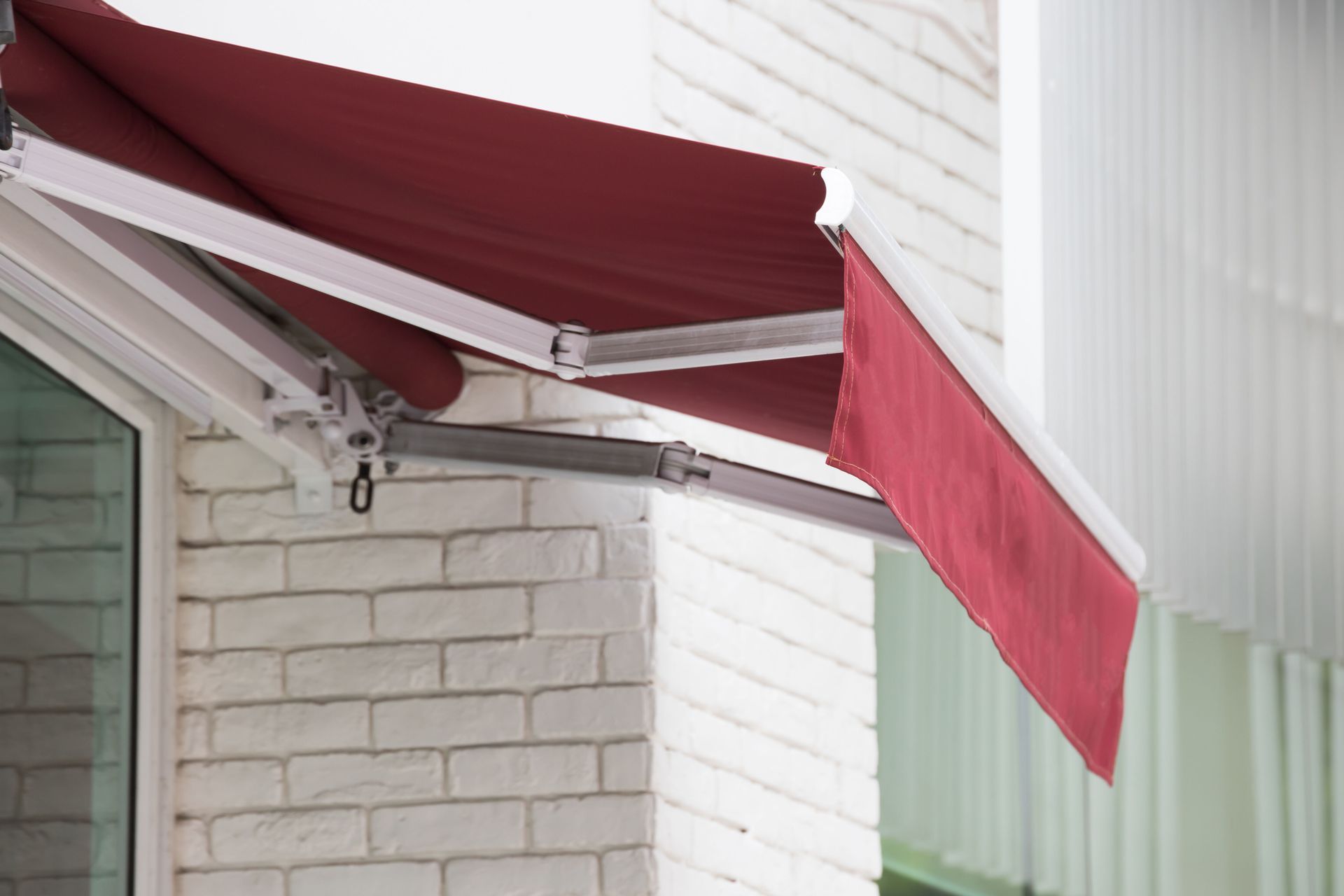
retractable awning
August 5, 2026
Are you curious about how a retractable awning can benefit you and save energy? Read on to learn more about the great benefits of awnings before installing.
Retractable awnings
June 15, 2026
Install functional retractable awnings to provide shade from sunlight, manage changing weather conditions, and optimize your overall outdoor living space.
Show More →