
Top 4 Things to Consider When Hiring Local Deck Builders
January 12, 2026

January 12, 2026

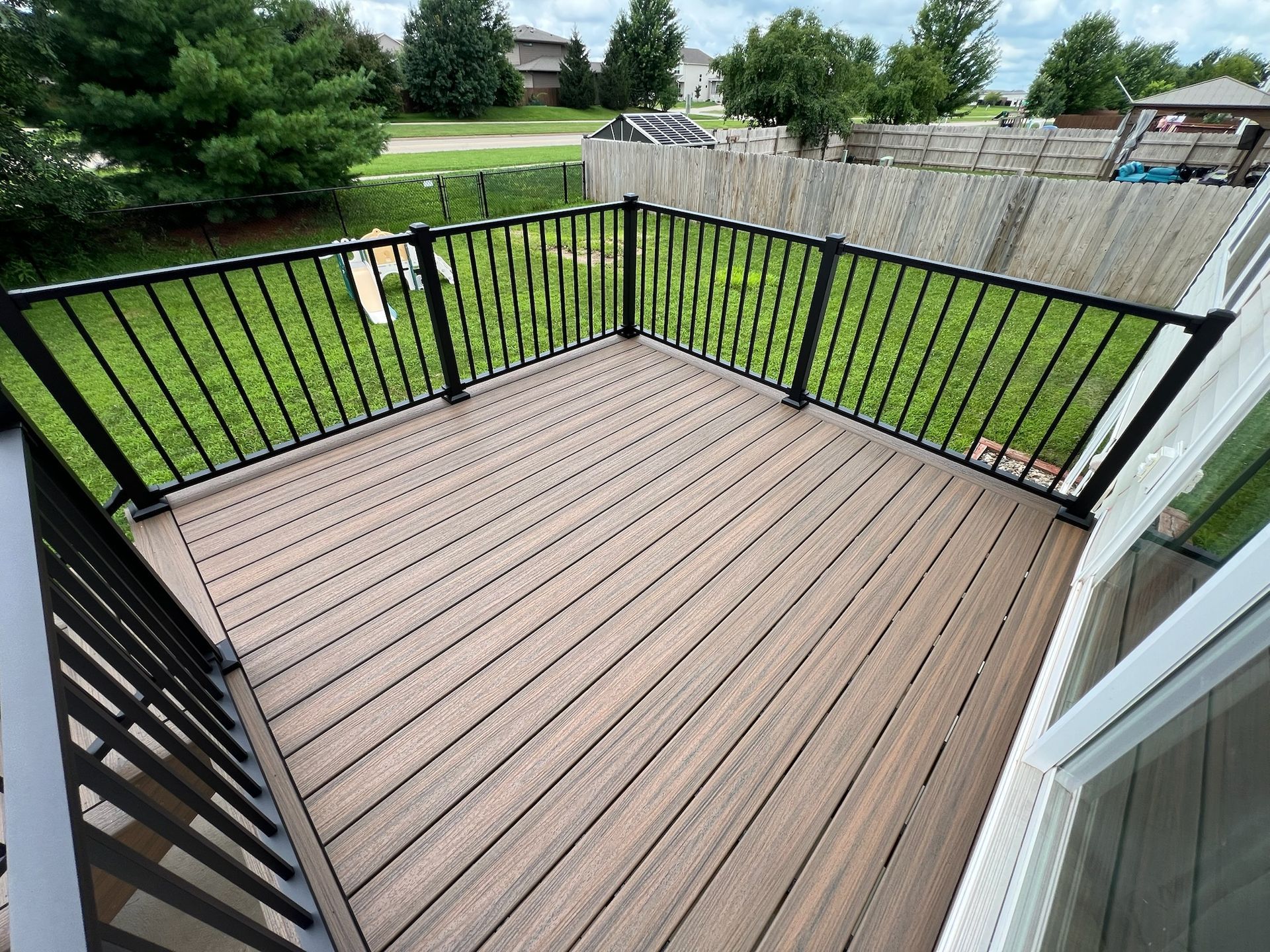
A thoughtfully designed and professionally built deck can completely change how you experience your home. It creates a natural extension of your living space, offering a place to unwind, host gatherings, and enjoy the outdoors without leaving your property. Because a deck is exposed to weather and daily use, the quality of its construction has a direct impact on safety, durability, and long-term value. This is why choosing the right local deck builders is one of the most important decisions you will make during the planning stage. A skilled builder ensures your deck not only looks great but also meets high standards for safety and longevity.


Many homeowners rush into hiring a contractor based on price alone or availability, only to regret it later. A deck project involves structural considerations, material selection, and design choices that must work together seamlessly. Taking time to understand what separates a reliable professional from an average one can save you money, stress, and future repairs. Knowing what to look for helps ensure your investment enhances your home rather than becoming a recurring problem. Doing thorough research before signing a contract can make the difference between a deck you love and one that causes endless frustration.


1. Verify Credentials, Licensing, and Insurance

Before any work begins, it is essential to confirm that a contractor meets all local requirements for licensing and registration. These credentials indicate that the builder understands building codes and follows regulations designed to protect homeowners. A licensed professional is also more likely to stay current with code updates and construction best practices, which is especially important for structural elements like decks. This attention to compliance adds a layer of confidence that your project will meet or exceed inspection standards.


Insurance is another critical factor that should never be overlooked. Liability insurance and workers’ compensation coverage protect you in the event of accidents, injuries, or property damage during the project. Asking for proof of insurance is a reasonable step and a responsible part of hiring a contractor. Reputable professionals expect this question and are prepared to provide documentation without hesitation. Verifying these details early prevents potential legal or financial issues down the road.


When working with local deck builders, proper credentials often go hand in hand with familiarity with permitting and inspection processes. Builders who regularly work in your area know how to navigate local requirements efficiently, reducing delays and helping your project move forward without unnecessary complications. This local knowledge can make a noticeable difference in both timelines and overall experience. Choosing a builder who understands your community’s regulations ensures a smoother, faster approval process.


2. Review Experience and Quality of Past Projects

Experience is one of the strongest indicators of a contractor’s ability to deliver consistent results. Builders who have completed a variety of deck projects are better prepared to handle different layouts, soil conditions, and design challenges. Asking how long a company has been in business and what types of decks they commonly build provides insight into their strengths and areas of expertise. Seasoned builders often anticipate potential issues before they arise, preventing costly setbacks.


Looking at past work is equally important. Photos, portfolios, and references allow you to evaluate craftsmanship, attention to detail, and design consistency. A seasoned contractor should be able to show examples that reflect a range of styles and materials. This gives you confidence that they can adapt their skills to match your vision rather than offering a one-size-fits-all approach. Speaking with past clients can also give you a realistic sense of the builder’s reliability and professionalism.


According to John Burns Research & Consulting, about 84% of deck and porch installation projects are done on remodeled or repaired homes as opposed to newly built properties. Professionals experienced in renovation projects, including local deck builders, are often better equipped to work with existing structures, blend new materials with old, and adjust designs to fit the home’s original character. Their expertise ensures the finished deck feels like a natural extension of your home rather than an afterthought.


3. Evaluate Communication and Professionalism

Strong communication is a key factor in the success of any home improvement project. From your initial consultation, pay attention to how clearly the contractor explains options, timelines, and potential challenges. A professional who listens carefully to your needs and answers questions thoroughly is more likely to deliver results that align with your expectations. Clear, two-way communication also makes it easier to address changes or concerns as they arise.


Professionalism also shows in how contractors handle estimates, proposals, and follow-up communication. Detailed written estimates demonstrate transparency and reduce the risk of misunderstandings later. Reliable local deck builders understand that homeowners value clarity and consistency, especially when investing in a significant outdoor upgrade. A professional demeanor at every step reflects how seriously the contractor takes their work and your satisfaction.


Ongoing communication throughout the project is just as important as the first meeting. When issues arise, as they sometimes do in construction, a contractor who communicates openly can resolve problems quickly and keep the project on track. This level of professionalism ensures that the building process remains collaborative rather than stressful.


4. Compare Pricing, Materials, and Contract Terms

Price is an important consideration, but it should be evaluated in context rather than in isolation. Extremely low bids may signal the use of lower-quality materials or rushed labor, both of which can shorten the lifespan of your deck. Reviewing estimates carefully helps you understand what's included and whether the pricing reflects the scope and quality of work. A fair, well-detailed quote often reflects experience and integrity.


Material selection also plays a major role in cost and long-term performance. A knowledgeable contractor explains the pros and cons of different decking materials, from pressure-treated wood to composite options. Experienced local deck builders can recommend materials that suit your climate, maintenance preferences, and budget without pushing unnecessary upgrades. The right materials can dramatically reduce maintenance needs while preserving your deck’s appearance for years.


A clear, detailed contract protects both you and the contractor. It should outline project timelines, payment schedules, materials, warranties, and responsibilities. Taking time to review contract terms before signing helps prevent disputes and ensures everyone is aligned. A well-structured agreement sets expectations and provides peace of mind throughout the construction process. Having everything in writing also establishes accountability for both parties.


Hiring the right professional for your deck project requires careful evaluation and thoughtful decision-making. By verifying credentials, reviewing experience, assessing communication, and comparing contracts, you can avoid common pitfalls and choose a contractor who values quality and accountability. Working with local deck builders who demonstrate professionalism and transparency increases the likelihood of a smooth process and a durable final result. A well-planned selection process lays the foundation for a deck that meets both your aesthetic and functional goals.


A deck is more than an outdoor feature; it is an investment in how you use and enjoy your home. Taking the time to choose the right partner helps ensure that investment pays off in comfort, safety, and long-term value. With the right approach, your new deck can become a space you enjoy for years while enhancing both your property and your everyday life. When built with care and expertise, it can serve as a lasting centerpiece for outdoor living and connection.


Transform your outdoor space with the experienced local deck builders at Central Iowa Solutions. Contact our team today to start planning a deck that enhances your home and fits your lifestyle perfectly.

bathroom remodeling
September 5, 2026
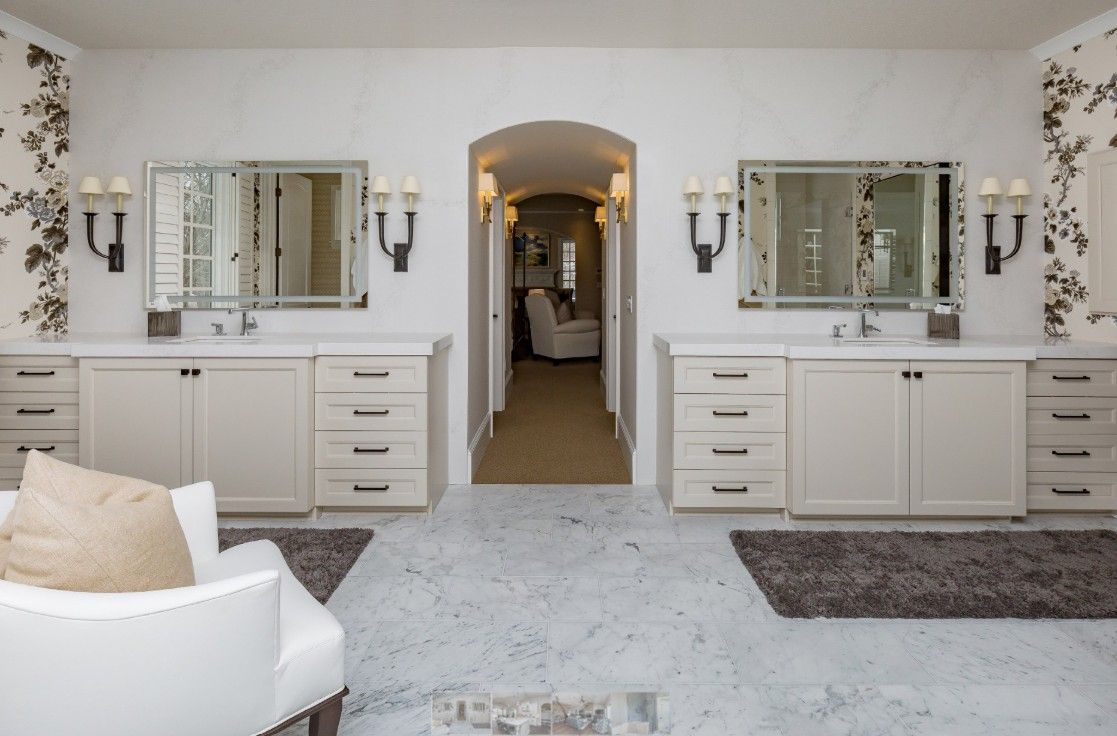
Modern bathroom remodeling features can transform an ordinary space into a comfortable, efficient, and attractive part of the home.
By 7066294550 August 25, 2026
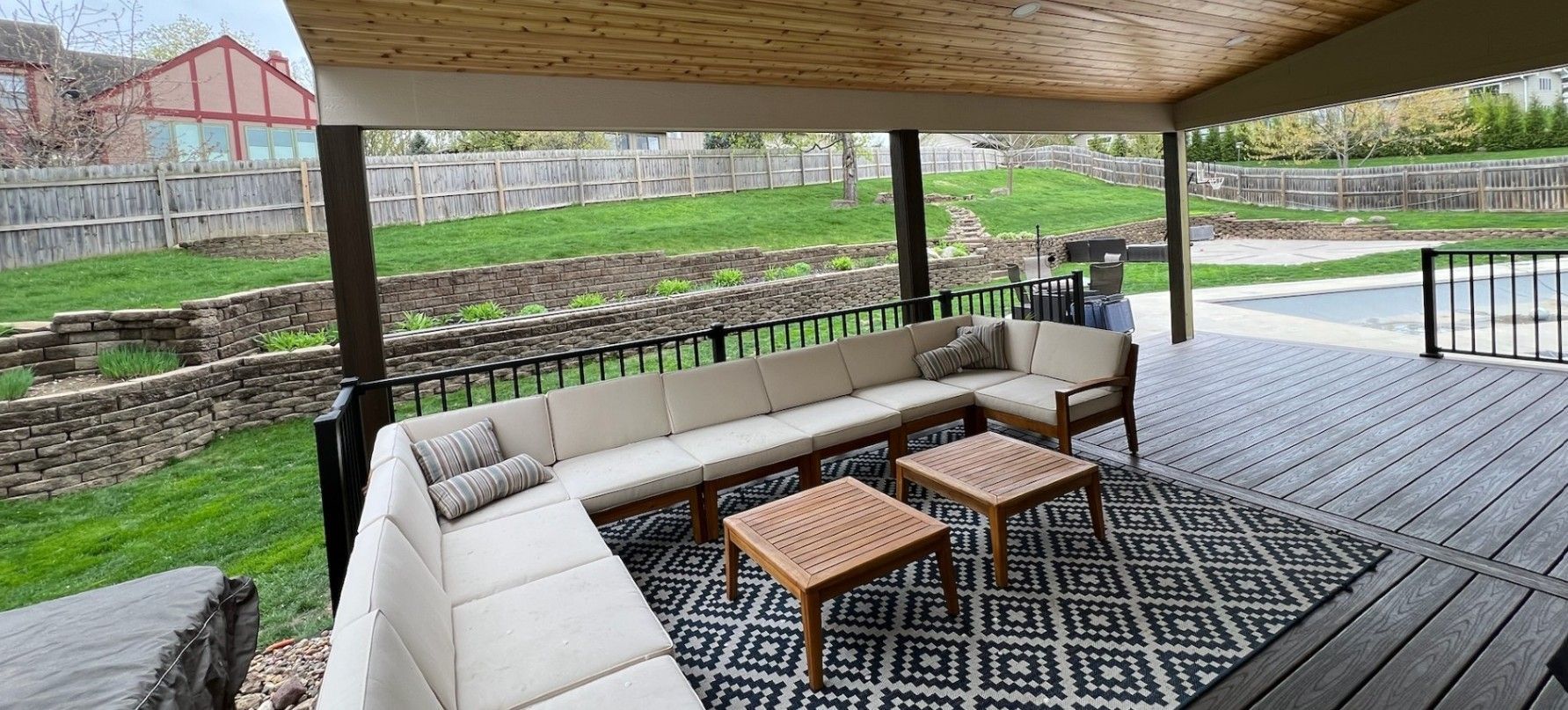
A Saturday afternoon, some friends, and a backyard deck sound perfect. But before you start hammering nails, there's one important question every homeowner should ask: Do I need a deck permit? The short answer is yes, almost certainly. While permits may seem like a hassle, they're designed to ensure your deck is safe, structurally sound, and built to withstand Iowa's climate. After working with homeowners throughout the Des Moines metro, we've seen firsthand how proper permitting helps prevent costly mistakes and code violations. Here's everything you need to know about deck permits in Des Moines. Do You Actually Need a Deck Permit in Des Moines? According to local building requirements, you'll generally need a permit if your deck is: Larger than 30 square feet More than 12 inches above grade Attached directly to your home with a ledger board In reality, most residential decks require a permit. Permits help ensure: Footings extend below Iowa's 42-inch frost line Ledger boards are properly attached and flashed Guardrails meet code requirements Structural framing supports expected loads Electrical work is installed safely Skipping a permit may result in: City citations and fines Costly corrections or reconstruction Insurance complications Issues when selling your home Liability concerns if someone is injured Considering permit costs typically range from $300 to $500 , obtaining one is a smart investment. The Deck Permit Process in Des Moines Step 1: Site Assessment and Planning Before submitting an application, evaluate: Deck size and layout Elevation and grading changes Connection points to the home Soil conditions Underground utilities Proper planning at this stage can prevent delays later. Step 2: Create Detailed Construction Plans Your permit application will typically require plans showing: Overall dimensions Footing locations and depth Ledger attachment details Joist sizing and spacing Guardrail specifications Stair and handrail details Material selections Many DIY applications get delayed because important details are missing. Working with an experienced contractor often speeds up the approval process. Step 3: Submit Your Permit Application Applications can be submitted through the City of Des Moines Building Permit Department. You'll typically need: Completed permit application Construction plans Proof of ownership or authorization Permit fee payment Typical processing time: 5 to 10 business days for standard projects. More complex designs may require additional review. Step 4: Optional Pre-Construction Inspection Some homeowners request an inspection before construction begins to verify footing locations. Benefits include: Confirming layout accuracy Avoiding costly corrections Addressing potential code issues early Step 5: Construction and Required Inspections Most deck projects require inspections at key stages: Footing Inspection Verifies: Footing location Proper excavation depth Frost-line compliance Framing Inspection Checks: Joists and beams Ledger attachment Flashing installation Structural connections Final Inspection Reviews: Guardrails Stair construction Fasteners Overall safety compliance If corrections are required, inspectors will provide a deficiency report outlining needed fixes. Step 6: Final Approval After passing all inspections, you'll receive final approval or a Certificate of Compliance. Keep this documentation with your home records for: Insurance purposes Future home sales Warranty claims Property records Key Iowa Deck Code Requirements Footing Depth Minimum Depth: 42 Inches Iowa's freeze-thaw cycles can cause shallow footings to shift and heave, leading to structural problems over time. Ledger Flashing Proper flashing is required where the deck attaches to the house. Without flashing: Water enters behind the ledger Wood rot develops Structural integrity is compromised Guardrail Height Most decks require guardrails between 36 and 42 inches tall depending on deck height and local requirements. Baluster Spacing Openings between balusters must follow the 4-inch sphere rule , meaning a 4-inch diameter sphere cannot pass through the railing. Joist Spacing Typical residential decks use: 16 inches on center for most applications Proper spacing prevents sagging and excessive deck movement. Corrosion-Resistant Hardware Use approved: Galvanized fasteners Stainless steel fasteners Composite-compatible connectors Iowa weather can quickly corrode unapproved hardware. Common Deck Permit Mistakes 1. Building Without a Permit This is the most expensive mistake homeowners make. Unpermitted decks can lead to: Fines Inspection failures Delayed home sales Required demolition 2. Shallow Footings Many DIY builders stop digging at 18 to 24 inches. In Iowa, that's not deep enough. Failing to extend footings below the frost line can lead to shifting, cracking, and long-term structural damage. 3. Improper Ledger Installation Poor flashing and incorrect attachment methods are major causes of deck failures. Water damage behind a deck ledger can affect both the deck and your home's structure. 4. Incomplete Plans Missing information can delay permit approval by several weeks. Ensure your plans include all structural details before submission. 5. Incorrect Guardrails Inspectors frequently flag: Railings that are too low Excessive baluster spacing Missing guardrails Always verify measurements before installation. Permit Requirements Around the Des Moines Metro Permit requirements vary slightly by city, but most communities require permits for residential decks. Des Moines Permit Required: Yes Frost Line: 42 inches Typical Cost: $300 to $500 West Des Moines Permit Required: Yes Frost Line: 42 inches Typical Cost: $250 to $450 Ankeny Permit Required: Generally yes Frost Line: 42 inches Typical Cost: $200 to $400 Waukee Permit Required: Yes Frost Line: 42 inches Typical Cost: $250 to $450 Urbandale Permit Required: Generally yes Frost Line: 42 inches Typical Cost: $200 to $350 Johnston Permit Required: Yes Frost Line: 42 inches Contact the city for current permit fees Always confirm current requirements with your municipality before beginning construction. How Central Iowa Solutions Handles Deck Permits At Central Iowa Solutions, we simplify the entire process by managing permits from start to finish. Our process includes: Design and Planning We create detailed plans that meet local code requirements. Permit Submission We handle the paperwork and coordinate directly with the city. Inspection Coordination We schedule inspections and address any required revisions. Final Approval We ensure all documentation is completed and properly filed. Our team understands the requirements, codes, and inspection expectations throughout the Des Moines metro area, helping homeowners avoid unnecessary delays and costly mistakes. Ready to Build Your Dream Deck? A properly permitted deck doesn't just satisfy building requirements. It protects your investment, improves safety, and helps ensure your deck lasts for decades. If you're planning a deck project in the Des Moines area, we're here to help. Get Your Free 3D Deck Design Consultation See your project before construction begins. 📞 Call or Text: (515) 303-1220 Central Iowa Solutions Your Whole Home. One Team.

retractable awning
August 5, 2026
Are you curious about how a retractable awning can benefit you and save energy? Read on to learn more about the great benefits of awnings before installing.

Show More →