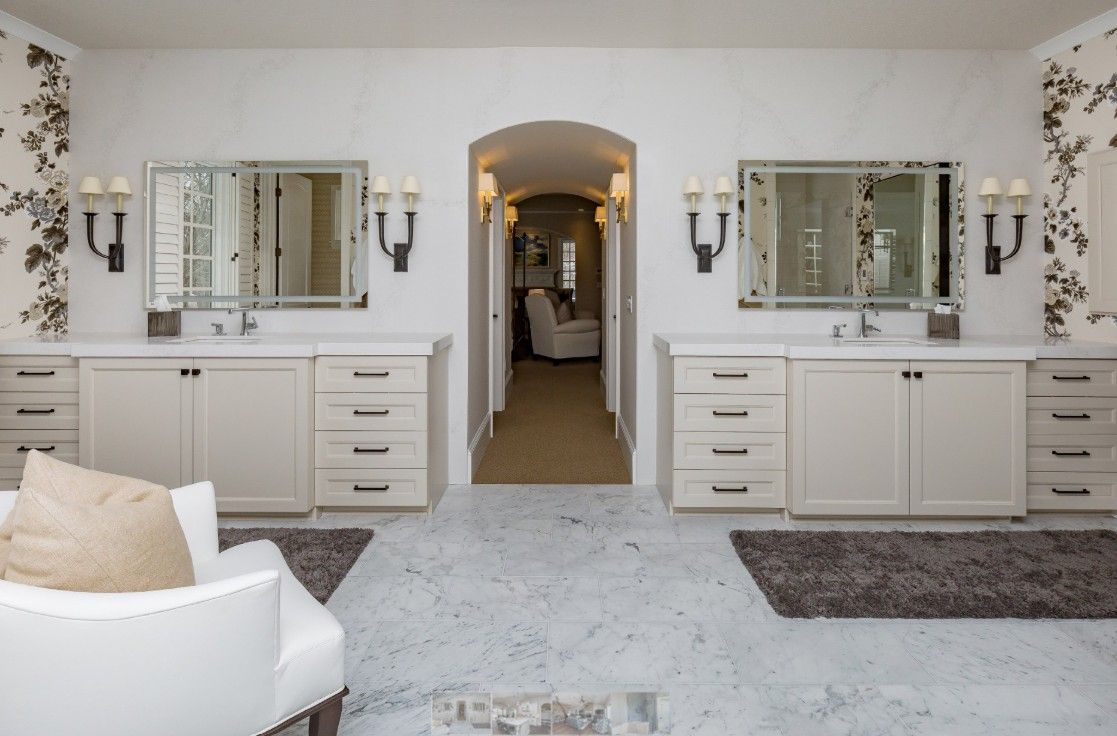
Modern bathroom remodeling features can transform an ordinary space into a comfortable, efficient, and attractive part of the home.
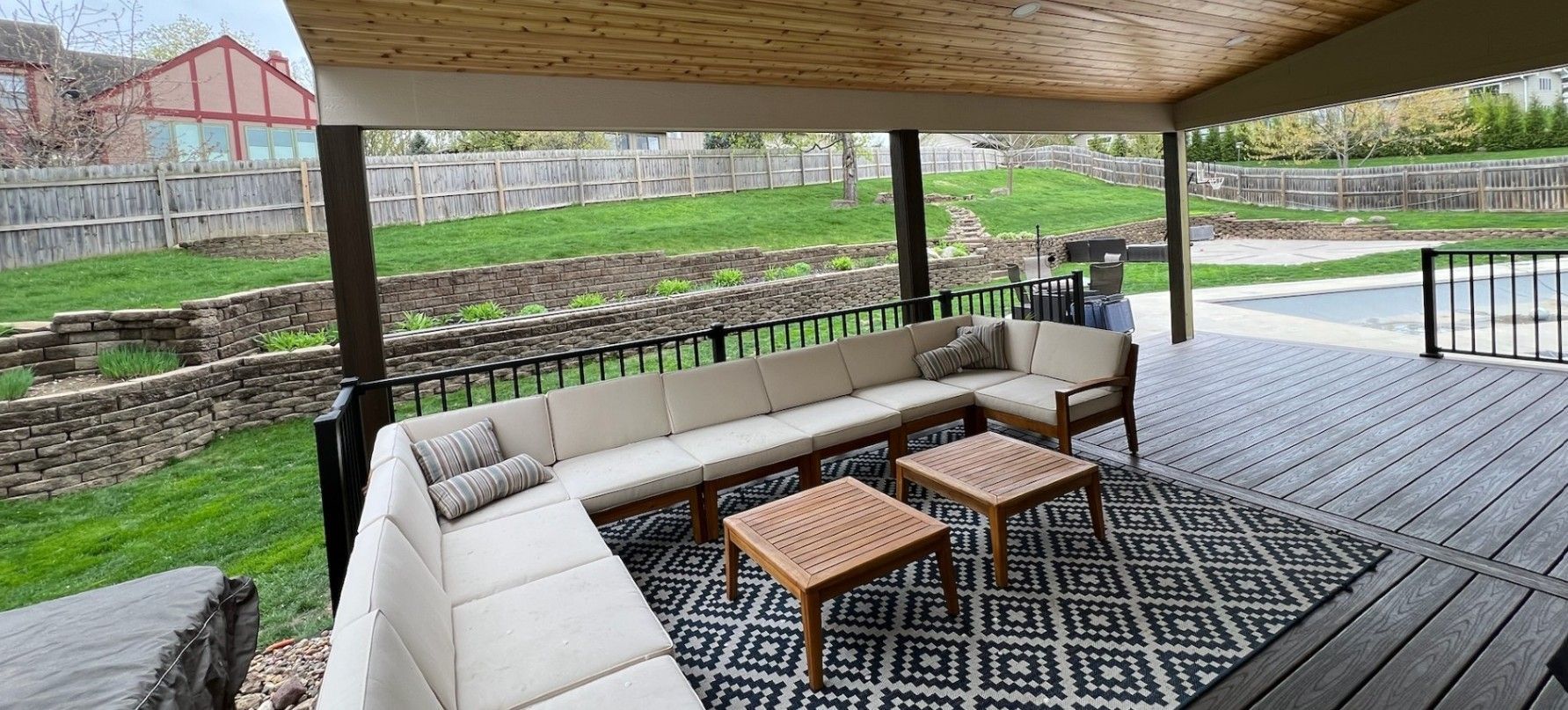
A Saturday afternoon, some friends, and a backyard deck sound perfect. But before you start hammering nails, there's one important question every homeowner should ask: Do I need a deck permit? The short answer is yes, almost certainly. While permits may seem like a hassle, they're designed to ensure your deck is safe, structurally sound, and built to withstand Iowa's climate. After working with homeowners throughout the Des Moines metro, we've seen firsthand how proper permitting helps prevent costly mistakes and code violations. Here's everything you need to know about deck permits in Des Moines. Do You Actually Need a Deck Permit in Des Moines? According to local building requirements, you'll generally need a permit if your deck is: Larger than 30 square feet More than 12 inches above grade Attached directly to your home with a ledger board In reality, most residential decks require a permit. Permits help ensure: Footings extend below Iowa's 42-inch frost line Ledger boards are properly attached and flashed Guardrails meet code requirements Structural framing supports expected loads Electrical work is installed safely Skipping a permit may result in: City citations and fines Costly corrections or reconstruction Insurance complications Issues when selling your home Liability concerns if someone is injured Considering permit costs typically range from $300 to $500 , obtaining one is a smart investment. The Deck Permit Process in Des Moines Step 1: Site Assessment and Planning Before submitting an application, evaluate: Deck size and layout Elevation and grading changes Connection points to the home Soil conditions Underground utilities Proper planning at this stage can prevent delays later. Step 2: Create Detailed Construction Plans Your permit application will typically require plans showing: Overall dimensions Footing locations and depth Ledger attachment details Joist sizing and spacing Guardrail specifications Stair and handrail details Material selections Many DIY applications get delayed because important details are missing. Working with an experienced contractor often speeds up the approval process. Step 3: Submit Your Permit Application Applications can be submitted through the City of Des Moines Building Permit Department. You'll typically need: Completed permit application Construction plans Proof of ownership or authorization Permit fee payment Typical processing time: 5 to 10 business days for standard projects. More complex designs may require additional review. Step 4: Optional Pre-Construction Inspection Some homeowners request an inspection before construction begins to verify footing locations. Benefits include: Confirming layout accuracy Avoiding costly corrections Addressing potential code issues early Step 5: Construction and Required Inspections Most deck projects require inspections at key stages: Footing Inspection Verifies: Footing location Proper excavation depth Frost-line compliance Framing Inspection Checks: Joists and beams Ledger attachment Flashing installation Structural connections Final Inspection Reviews: Guardrails Stair construction Fasteners Overall safety compliance If corrections are required, inspectors will provide a deficiency report outlining needed fixes. Step 6: Final Approval After passing all inspections, you'll receive final approval or a Certificate of Compliance. Keep this documentation with your home records for: Insurance purposes Future home sales Warranty claims Property records Key Iowa Deck Code Requirements Footing Depth Minimum Depth: 42 Inches Iowa's freeze-thaw cycles can cause shallow footings to shift and heave, leading to structural problems over time. Ledger Flashing Proper flashing is required where the deck attaches to the house. Without flashing: Water enters behind the ledger Wood rot develops Structural integrity is compromised Guardrail Height Most decks require guardrails between 36 and 42 inches tall depending on deck height and local requirements. Baluster Spacing Openings between balusters must follow the 4-inch sphere rule , meaning a 4-inch diameter sphere cannot pass through the railing. Joist Spacing Typical residential decks use: 16 inches on center for most applications Proper spacing prevents sagging and excessive deck movement. Corrosion-Resistant Hardware Use approved: Galvanized fasteners Stainless steel fasteners Composite-compatible connectors Iowa weather can quickly corrode unapproved hardware. Common Deck Permit Mistakes 1. Building Without a Permit This is the most expensive mistake homeowners make. Unpermitted decks can lead to: Fines Inspection failures Delayed home sales Required demolition 2. Shallow Footings Many DIY builders stop digging at 18 to 24 inches. In Iowa, that's not deep enough. Failing to extend footings below the frost line can lead to shifting, cracking, and long-term structural damage. 3. Improper Ledger Installation Poor flashing and incorrect attachment methods are major causes of deck failures. Water damage behind a deck ledger can affect both the deck and your home's structure. 4. Incomplete Plans Missing information can delay permit approval by several weeks. Ensure your plans include all structural details before submission. 5. Incorrect Guardrails Inspectors frequently flag: Railings that are too low Excessive baluster spacing Missing guardrails Always verify measurements before installation. Permit Requirements Around the Des Moines Metro Permit requirements vary slightly by city, but most communities require permits for residential decks. Des Moines Permit Required: Yes Frost Line: 42 inches Typical Cost: $300 to $500 West Des Moines Permit Required: Yes Frost Line: 42 inches Typical Cost: $250 to $450 Ankeny Permit Required: Generally yes Frost Line: 42 inches Typical Cost: $200 to $400 Waukee Permit Required: Yes Frost Line: 42 inches Typical Cost: $250 to $450 Urbandale Permit Required: Generally yes Frost Line: 42 inches Typical Cost: $200 to $350 Johnston Permit Required: Yes Frost Line: 42 inches Contact the city for current permit fees Always confirm current requirements with your municipality before beginning construction. How Central Iowa Solutions Handles Deck Permits At Central Iowa Solutions, we simplify the entire process by managing permits from start to finish. Our process includes: Design and Planning We create detailed plans that meet local code requirements. Permit Submission We handle the paperwork and coordinate directly with the city. Inspection Coordination We schedule inspections and address any required revisions. Final Approval We ensure all documentation is completed and properly filed. Our team understands the requirements, codes, and inspection expectations throughout the Des Moines metro area, helping homeowners avoid unnecessary delays and costly mistakes. Ready to Build Your Dream Deck? A properly permitted deck doesn't just satisfy building requirements. It protects your investment, improves safety, and helps ensure your deck lasts for decades. If you're planning a deck project in the Des Moines area, we're here to help. Get Your Free 3D Deck Design Consultation See your project before construction begins. 📞 Call or Text: (515) 303-1220 Central Iowa Solutions Your Whole Home. One Team.
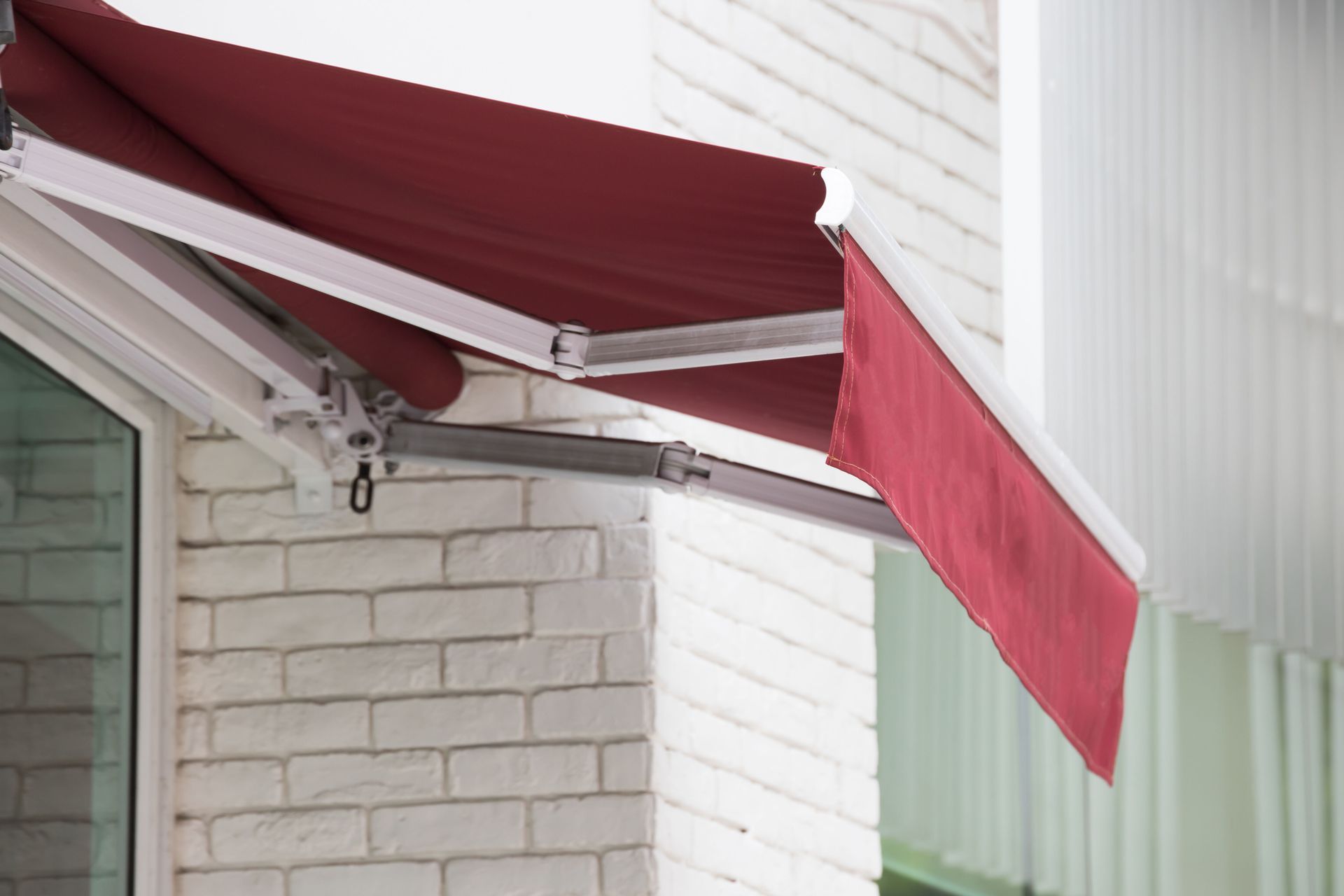
Are you curious about how a retractable awning can benefit you and save energy? Read on to learn more about the great benefits of awnings before installing.