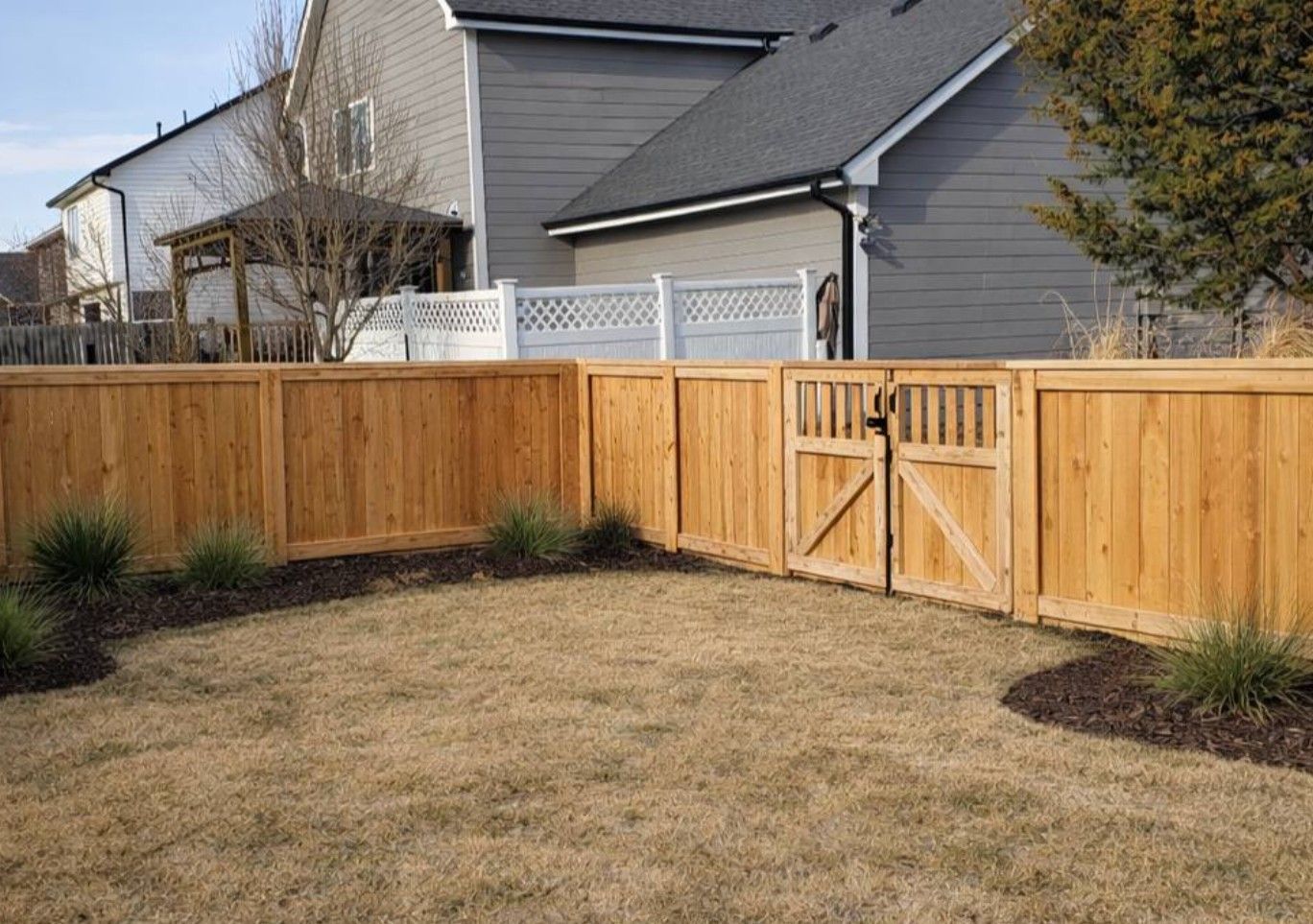
When most homeowners think about installing a fence, they focus on the finished product. They imagine a beautiful new privacy fence surrounding the backyard, a decorative fence enhancing curb appeal, or a secure enclosure protecting children and pets. While the fence itself is certainly important, a successful fencing project involves much more than the materials that go into the ground. At Central Iowa Fencing , we believe a great fence project starts long before installation begins. It requires careful planning, expert design, quality craftsmanship, and a commitment to understanding each customer's unique needs. The best fence is not simply one that looks good on day one. It's one that continues to deliver value, security, and peace of mind for years to come. Understanding Your Goals Every property owner has different reasons for investing in a fence. Some families want privacy from nearby neighbors. Others need a secure area for children or pets to play safely. Business owners may be looking for increased security around commercial properties, equipment, or inventory. A successful fence project begins with understanding the purpose of the fence. Before recommending materials or designs, experienced fencing professionals take the time to learn about your priorities. Questions that often guide the planning process include: Are you looking for privacy? Do you need security? Is aesthetics your primary concern? Will the fence contain pets? Do you need pool safety compliance? Are you protecting landscaping or property boundaries? How much maintenance are you comfortable with? Answering these questions helps ensure the finished fence aligns with your long-term goals and expectations. The Importance of Property Evaluation No two properties are exactly alike. A fence that works perfectly in one neighborhood may not be the best solution in another. Professional fence installation begins with a thorough assessment of your property. Factors such as terrain, slopes, drainage patterns, landscaping, utility locations, and property lines all play a role in determining the most effective fence design. Ignoring these details can lead to future problems such as uneven fence lines, drainage issues, structural instability, or costly repairs. By evaluating the site before construction begins, fencing professionals can identify potential challenges and develop solutions before they become expensive problems. Choosing the Right Materials One of the most important decisions in any fencing project is selecting the right material. Many homeowners initially focus on price, but true value comes from balancing cost, durability, maintenance requirements, and appearance. Popular fencing options include: Wood Fencing Wood remains one of the most popular choices for privacy and residential fencing. It offers natural beauty, customization options, and timeless appeal. Wood fences can be stained or painted to complement almost any home style. Vinyl Fencing Vinyl fencing is known for its durability and low maintenance requirements. It resists weather, insects, and rot, making it a popular option for homeowners seeking long-term performance with minimal upkeep. Chain Link Fencing Chain link fencing provides affordable security and durability. It is an excellent solution for residential, commercial, and industrial properties where visibility and protection are important. Ornamental Metal Fencing Aluminum and ornamental metal fences offer elegance, strength, and curb appeal. These fences are commonly used for front yards, pool enclosures, and commercial applications. Choosing the right material involves more than selecting what looks best. It requires evaluating how the fence will perform under Iowa's changing weather conditions and your property's specific needs. Quality Installation Makes the Difference Even the highest-quality fence materials can fail when installed incorrectly. Proper installation is one of the most important factors affecting the lifespan and performance of any fence. Posts must be set at the appropriate depth, gates must be correctly aligned, and the entire structure must be designed to withstand wind, weather, and daily use. A professionally installed fence often provides: Greater structural stability Longer lifespan Improved appearance Reduced maintenance costs Better gate functionality Enhanced property value Quality workmanship helps ensure your investment continues to perform well for years after installation. Thinking Beyond Today's Needs A fence is a long-term investment. While it's important to solve immediate challenges, it's equally important to consider future needs. For example, a young family may currently need a safe space for small children, but they may eventually want a larger outdoor entertaining area. A homeowner with one dog today may own multiple pets in the future. A growing business may need additional security or access control over time. Planning for future changes can help prevent the need for costly modifications down the road. Experienced fencing professionals can recommend solutions that offer flexibility while meeting current goals. Enhancing Property Value and Curb Appeal A professionally designed fence can significantly improve a property's overall appearance. The right fence creates visual structure, enhances landscaping, and helps define outdoor living spaces. It can also make a positive first impression on visitors, neighbors, and potential buyers. For homeowners considering future resale opportunities, curb appeal matters. A well-maintained fence often becomes an attractive feature that contributes to the overall desirability of the property. Rather than viewing a fence as simply a boundary, many homeowners are increasingly recognizing it as an extension of their home's design and outdoor lifestyle. Communication Matters Throughout the Process One factor that is often overlooked in fencing projects is communication. A successful project depends on clear expectations, accurate timelines, transparent pricing, and ongoing communication from start to finish. Homeowners should understand what to expect during every stage of the process, from initial consultation and design through final installation. At Central Iowa Fencing, we believe strong communication creates better results and a smoother experience for every customer. When questions are answered early and expectations are clearly established, projects are more efficient and customers feel confident throughout the process. Partnering with the Right Fence Company Ultimately, a great fence project is about much more than wood, vinyl, aluminum, or chain link. It's about creating a solution that improves your property, meets your needs, and provides lasting value. The best fence companies take the time to understand your goals, evaluate your property, recommend appropriate materials, and deliver expert craftsmanship. They view fencing as more than an installation project. They view it as an opportunity to help homeowners and business owners improve the safety, beauty, and functionality of their property. When done right, a fence becomes much more than a border around your yard. It creates privacy, protection, security, and peace of mind. It enhances the appearance of your home, supports your family's lifestyle, and adds long-term value to your property. At Central Iowa Fencing , we understand that every successful fence project starts with listening, planning, and delivering quality workmanship. Whether you're considering a privacy fence, decorative fencing, chain link installation, or a custom commercial solution, our team is committed to helping you build more than a fence. We're here to help you create an outdoor space that works for your family, your business, and your future.
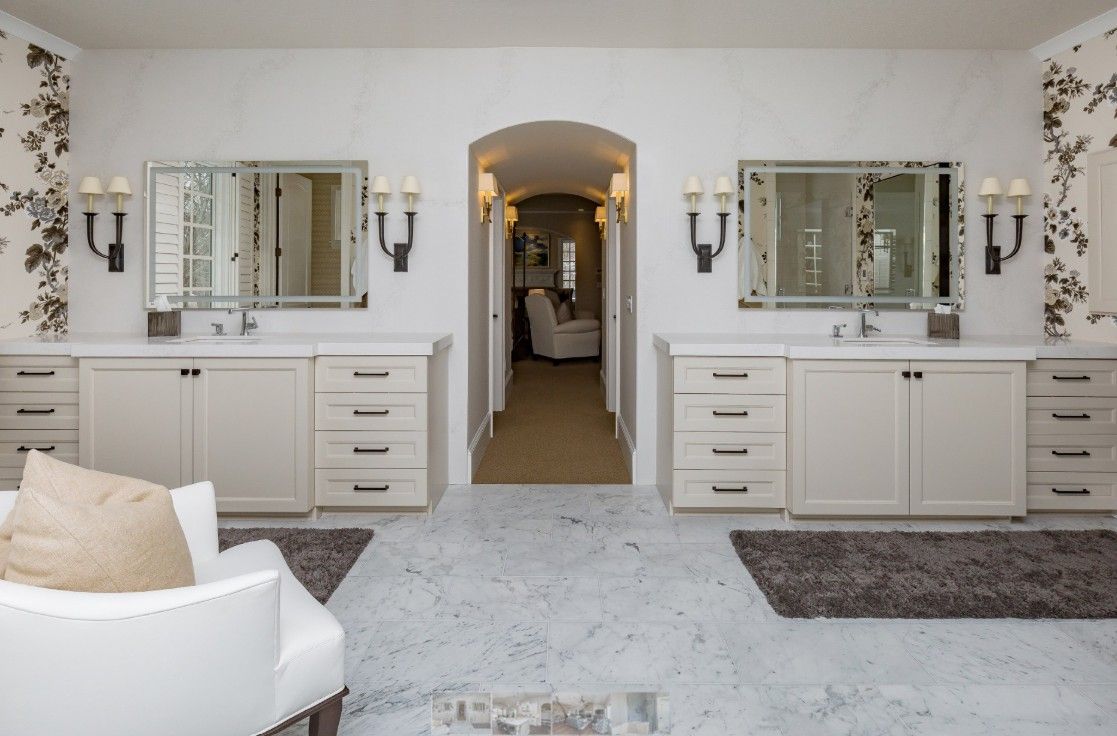
Modern bathroom remodeling features can transform an ordinary space into a comfortable, efficient, and attractive part of the home.
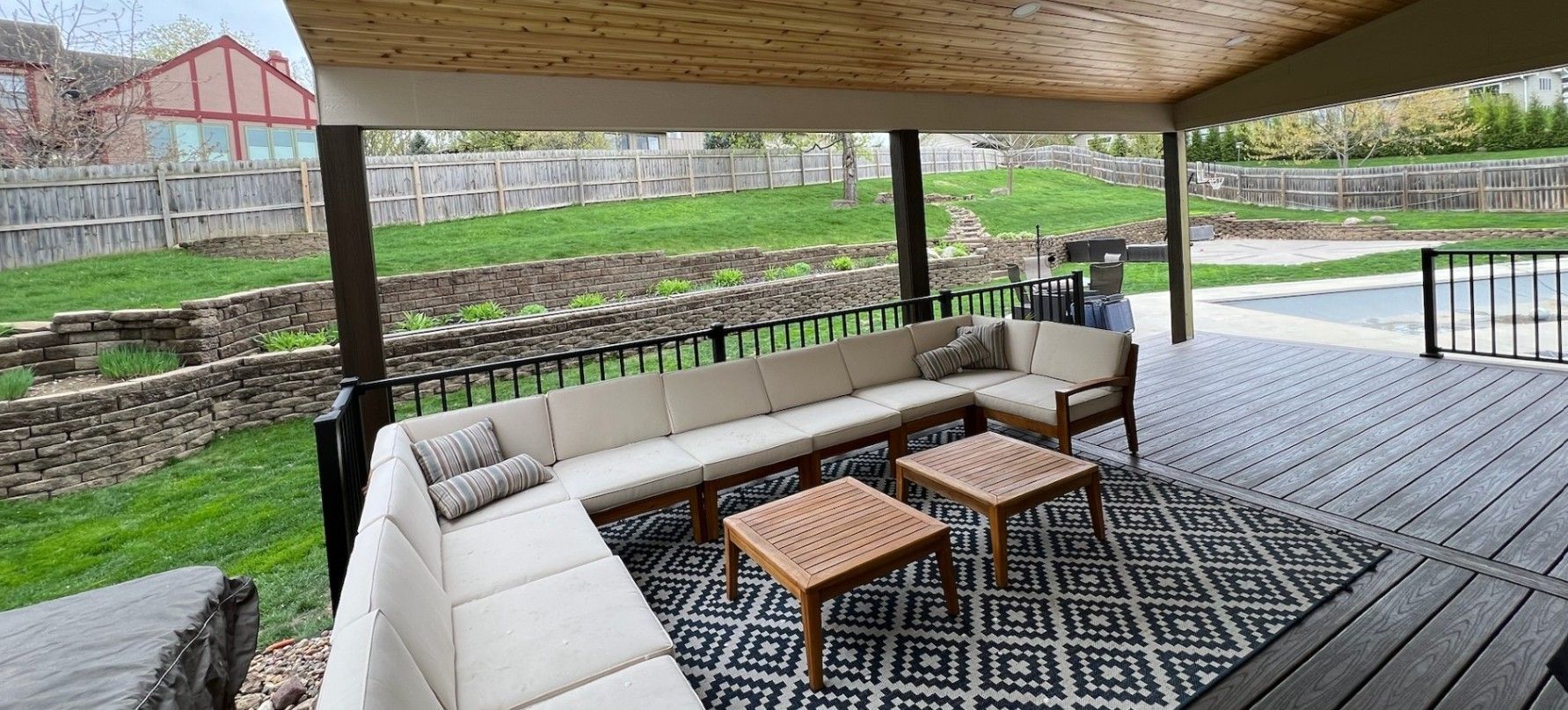
A Saturday afternoon, some friends, and a backyard deck sound perfect. But before you start hammering nails, there's one important question every homeowner should ask: Do I need a deck permit? The short answer is yes, almost certainly. While permits may seem like a hassle, they're designed to ensure your deck is safe, structurally sound, and built to withstand Iowa's climate. After working with homeowners throughout the Des Moines metro, we've seen firsthand how proper permitting helps prevent costly mistakes and code violations. Here's everything you need to know about deck permits in Des Moines. Do You Actually Need a Deck Permit in Des Moines? According to local building requirements, you'll generally need a permit if your deck is: Larger than 30 square feet More than 12 inches above grade Attached directly to your home with a ledger board In reality, most residential decks require a permit. Permits help ensure: Footings extend below Iowa's 42-inch frost line Ledger boards are properly attached and flashed Guardrails meet code requirements Structural framing supports expected loads Electrical work is installed safely Skipping a permit may result in: City citations and fines Costly corrections or reconstruction Insurance complications Issues when selling your home Liability concerns if someone is injured Considering permit costs typically range from $300 to $500 , obtaining one is a smart investment. The Deck Permit Process in Des Moines Step 1: Site Assessment and Planning Before submitting an application, evaluate: Deck size and layout Elevation and grading changes Connection points to the home Soil conditions Underground utilities Proper planning at this stage can prevent delays later. Step 2: Create Detailed Construction Plans Your permit application will typically require plans showing: Overall dimensions Footing locations and depth Ledger attachment details Joist sizing and spacing Guardrail specifications Stair and handrail details Material selections Many DIY applications get delayed because important details are missing. Working with an experienced contractor often speeds up the approval process. Step 3: Submit Your Permit Application Applications can be submitted through the City of Des Moines Building Permit Department. You'll typically need: Completed permit application Construction plans Proof of ownership or authorization Permit fee payment Typical processing time: 5 to 10 business days for standard projects. More complex designs may require additional review. Step 4: Optional Pre-Construction Inspection Some homeowners request an inspection before construction begins to verify footing locations. Benefits include: Confirming layout accuracy Avoiding costly corrections Addressing potential code issues early Step 5: Construction and Required Inspections Most deck projects require inspections at key stages: Footing Inspection Verifies: Footing location Proper excavation depth Frost-line compliance Framing Inspection Checks: Joists and beams Ledger attachment Flashing installation Structural connections Final Inspection Reviews: Guardrails Stair construction Fasteners Overall safety compliance If corrections are required, inspectors will provide a deficiency report outlining needed fixes. Step 6: Final Approval After passing all inspections, you'll receive final approval or a Certificate of Compliance. Keep this documentation with your home records for: Insurance purposes Future home sales Warranty claims Property records Key Iowa Deck Code Requirements Footing Depth Minimum Depth: 42 Inches Iowa's freeze-thaw cycles can cause shallow footings to shift and heave, leading to structural problems over time. Ledger Flashing Proper flashing is required where the deck attaches to the house. Without flashing: Water enters behind the ledger Wood rot develops Structural integrity is compromised Guardrail Height Most decks require guardrails between 36 and 42 inches tall depending on deck height and local requirements. Baluster Spacing Openings between balusters must follow the 4-inch sphere rule , meaning a 4-inch diameter sphere cannot pass through the railing. Joist Spacing Typical residential decks use: 16 inches on center for most applications Proper spacing prevents sagging and excessive deck movement. Corrosion-Resistant Hardware Use approved: Galvanized fasteners Stainless steel fasteners Composite-compatible connectors Iowa weather can quickly corrode unapproved hardware. Common Deck Permit Mistakes 1. Building Without a Permit This is the most expensive mistake homeowners make. Unpermitted decks can lead to: Fines Inspection failures Delayed home sales Required demolition 2. Shallow Footings Many DIY builders stop digging at 18 to 24 inches. In Iowa, that's not deep enough. Failing to extend footings below the frost line can lead to shifting, cracking, and long-term structural damage. 3. Improper Ledger Installation Poor flashing and incorrect attachment methods are major causes of deck failures. Water damage behind a deck ledger can affect both the deck and your home's structure. 4. Incomplete Plans Missing information can delay permit approval by several weeks. Ensure your plans include all structural details before submission. 5. Incorrect Guardrails Inspectors frequently flag: Railings that are too low Excessive baluster spacing Missing guardrails Always verify measurements before installation. Permit Requirements Around the Des Moines Metro Permit requirements vary slightly by city, but most communities require permits for residential decks. Des Moines Permit Required: Yes Frost Line: 42 inches Typical Cost: $300 to $500 West Des Moines Permit Required: Yes Frost Line: 42 inches Typical Cost: $250 to $450 Ankeny Permit Required: Generally yes Frost Line: 42 inches Typical Cost: $200 to $400 Waukee Permit Required: Yes Frost Line: 42 inches Typical Cost: $250 to $450 Urbandale Permit Required: Generally yes Frost Line: 42 inches Typical Cost: $200 to $350 Johnston Permit Required: Yes Frost Line: 42 inches Contact the city for current permit fees Always confirm current requirements with your municipality before beginning construction. How Central Iowa Solutions Handles Deck Permits At Central Iowa Solutions, we simplify the entire process by managing permits from start to finish. Our process includes: Design and Planning We create detailed plans that meet local code requirements. Permit Submission We handle the paperwork and coordinate directly with the city. Inspection Coordination We schedule inspections and address any required revisions. Final Approval We ensure all documentation is completed and properly filed. Our team understands the requirements, codes, and inspection expectations throughout the Des Moines metro area, helping homeowners avoid unnecessary delays and costly mistakes. Ready to Build Your Dream Deck? A properly permitted deck doesn't just satisfy building requirements. It protects your investment, improves safety, and helps ensure your deck lasts for decades. If you're planning a deck project in the Des Moines area, we're here to help. Get Your Free 3D Deck Design Consultation See your project before construction begins. 📞 Call or Text: (515) 303-1220 Central Iowa Solutions Your Whole Home. One Team.